Going Global: Students Gain International Experience Connecting with Foreign Businesses

June 15, 2026
Exposure to activities outside the U.S. – from exchange programs to study abroad partnerships to academic collaborations – benefits college students, especially if they want to live and work in another country or get hired by an employer that does business internationally.
That is the purpose of the WACE Global Challenge. In the Spring 2026 semester, UNT Dallas was the only university in the U.S. whose students were fortunate enough to participate. “You get to learn about how companies or small businesses operate and how you can help them grow,” said Halima Abdul-Rauf, at the time a junior majoring in biology.
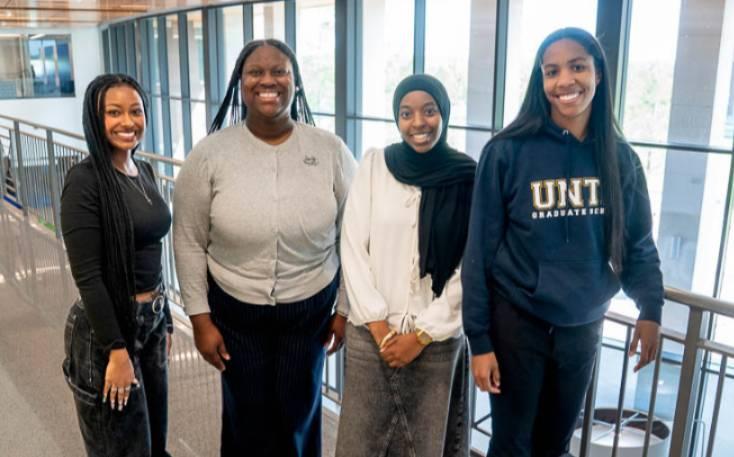
Abdul-Rauf was among four UNT Dallas students chosen for the Global Challenge, which is a four-week virtual program that connects students with industry clients to work on a real project with global scale. Others in the small cohort included Sessimina McGee, a senior majoring and legal studies, Rachael Degefa, a graduate student in the counseling program, and Madison Davis, a graduate student in the public leadership program.
“It was fun,” said Davis. “I love meeting people. We still talk. We text on WhatsApp,” referring to her student partners from around the world.
“We follow each other on LinkedIn now,” said McGee. “We can see each other grow professionally.”
Worldwide Reach
The challenge, held in February 2026, was known as #14. It included 52 additional students across nine institutions from six countries for a total of 56 participants.
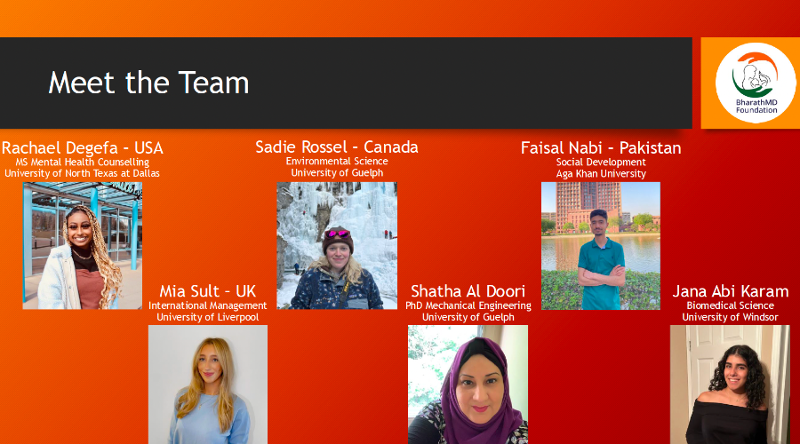
“The WACE Global Challenge is a unique opportunity for students to learn the challenges and rewards of collaboration across borders, cultures and languages,” said Dr. Cheryl Cates, Executive Director of the Center for Experiential Learning and Career Success (CELCS) at UNT Dallas. “The practical experience our students gain provides knowledge and skills that prepare them to succeed in whatever career they choose.”
CELCS launched in 2025 with the vision of empowering every student to develop the power skills and character to thrive in an evolving global workforce. From classroom to career, CELCS prepares students to thrive through immersive learning, career readiness and industry partnerships that lead to meaningful lives and careers.
Projects with a Purpose
Students were grouped in teams that undertook a multitude of online projects. The challenge: to help business, government and community organizations identify practical ‘Shared Value’ initiatives to create social, environmental and economic value.
Among the students’ goals:
- Develop a global perspective, mindset and network
- Enhance employability skills though industry experience
- Build collaboration, cross cultural communication, problem solving, innovation and consulting skills
- Gain experience and confidence with the use of various online collaboration tools
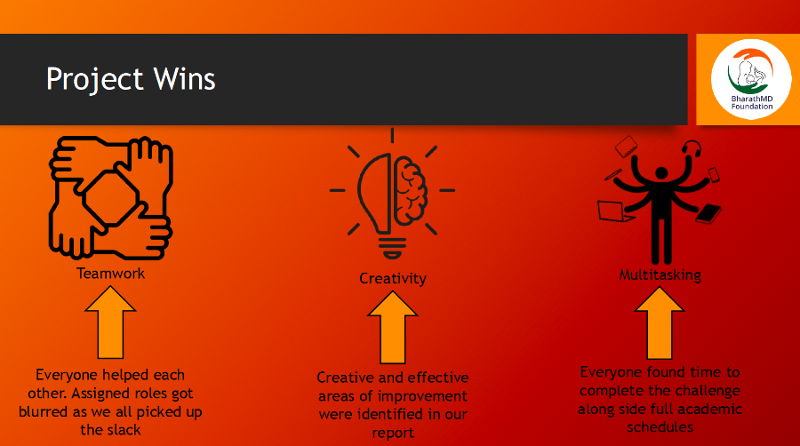
Specifically, students focused on six skill groups important for the future and the dynamic global workplace. Innovation and problem solving were the most popular and high priority, as decided by the students themselves. Their interests and instincts were spot on.
“There was a misunderstanding with a client about funding,” said McGee. After her team of students sent a business proposal and held multiple conversations, the issue arose toward the end of the project. “The client apologized,” MeGee explained, chalking it up as a lesson learned.
It was a challenge faced by McGee’s classmates, too. “Communication was the most important part,” said Davis. “Especially the time zone, when to communicate.”
“You’re working with people of different backgrounds – much different,” said Degefa. “It was a real perspective shift.”
“The financial aspect was a challenge. We had to research how they (client organization) can get funding,” said Abdul-Rauf. “Government regulations – you have to find out how they work.”
Lessons Learned, Clients Served
Despite the obstacles, the four students agreed they were glad to have participated. “It was a great experience,” said Davis.
“I want to be a counselor, I learned a lot about patience and cooperation,” said Abdul-Rauf. “You also learn more about yourself in the sense of how innovative you are, how much of a leader you are, and how committed you can be to a cause.”
Eighty eight percent of the 56 participants showed strong enthusiasm and willingness to recommend the WACE Global Challenge other students. The seven clients, which ranged from arts to agriculture, healthcare and education to management consulting, shared the sentiment.
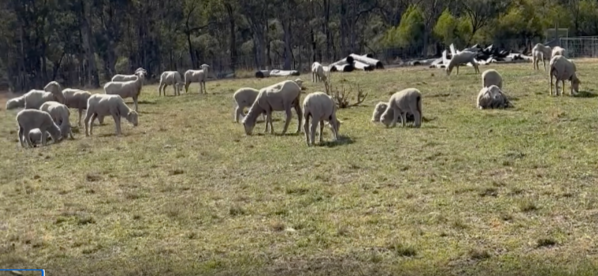
“We truly appreciate the effort your team has contributed,” said Belinda Kuhl, of Wagon Tree Farm in Australia. “This report provides a helpful foundation for ongoing planning and we’re grateful for the fresh perspective and structured strategic thinking you’ve brought to our business.”
“The team demonstrated strong engagement, responsiveness to feedback, and a clear commitment to improving their work from draft to final submission,” said Vianio Kougblenou, of Acces Universel a start-up in Benin, a West African nation.
Four students with four different career paths all came away with a better understanding of global collaboration, competition and – challenges. Mission accomplished, and for another lucky group of students, Global Challenge #15 awaits!
Students interested in participating in future Global Challenges as soon as this fall should reach out to Experiential.Learning@untdallas.edu
Categories: