President von Eschenbach Speaks About Affordability, Resilience and "Enduring Human Skills" at Higher Ed Event

July 01, 2026
Enduring human skills – not just a degree – are a key component of the education students receive at UNT Dallas. That was the message from President Warren von Eschenbach, PhD at a recent “State of Higher Education” event sponsored by the Dallas Morning News and hosted by Southern Methodist University.
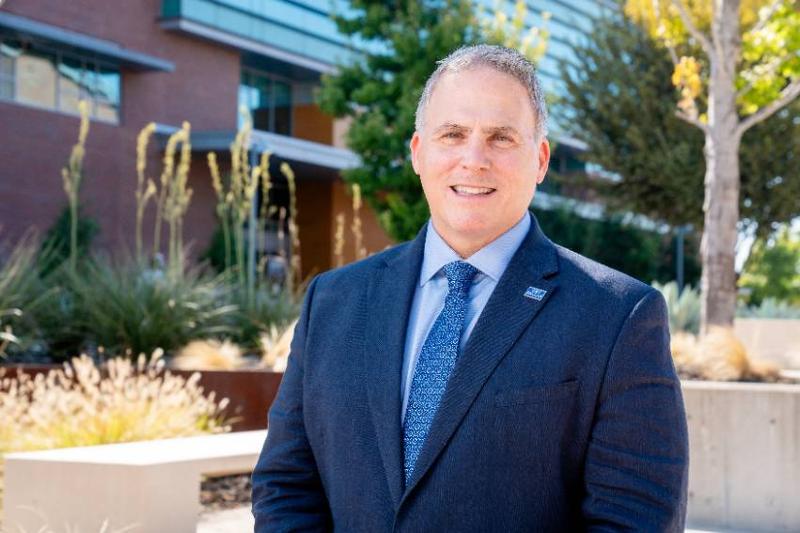
Describing colleges and universities as “unique social institutions,” President von Eschenbach explained that our mission is to “develop human potential and contribute to the public good.” He said it’s a dual responsibility: nurturing students while also supporting the community.
The added challenge is fulfilling that mission while so much is changing all around us. “The world is so complex, it will require multiple lenses,” said the President, referring to the impact of technology, especially AI, on the workplace and society at large. For that reason, UNT Dallas is creating new academic structures and pathways to ensure students learn multiple disciplines, not just those associated with their major.
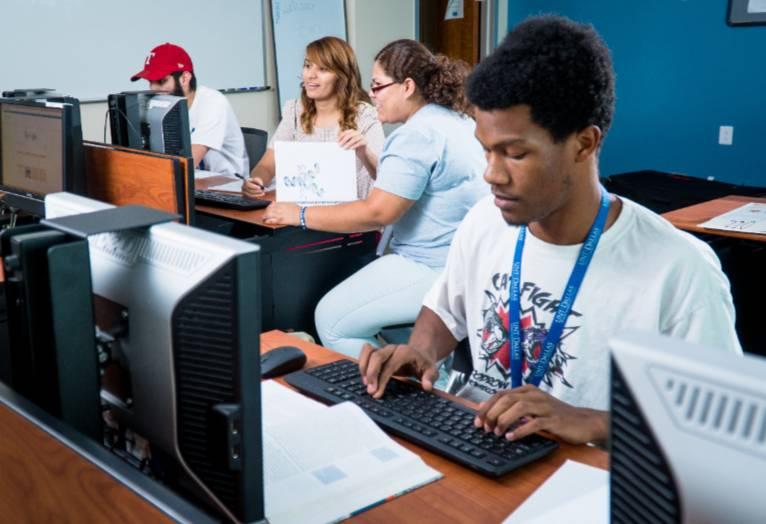
“We can’t let another digital divide manifest itself,” President von Eschenbach said, referring to the lack of high-speed internet access and modern communications tools. It affected much of America for decades, starting in the mid-1990s and continuing today in some parts of the country, especially rural areas. To avoid a similar AI divide, AI instruction is required for all UNT Dallas students, with more robust training for tech, IT, cybersecurity and other majors.
According to the President, while “AI adds to the anxiety of students,” it also affects many businesses and industries, and, of course, how colleges teach and how students learn. As AI impacts the workforce, with some jobs eliminated while others are created, those enduring human skills become even more essential to sustaining a successful career.
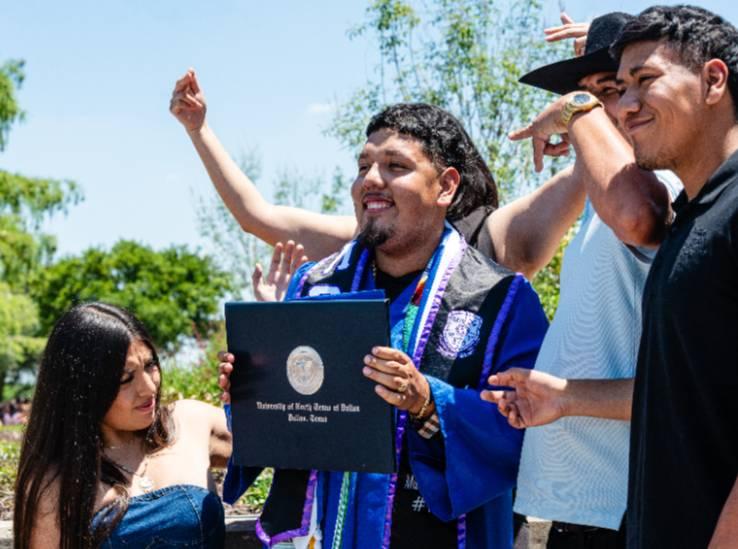
Other challenges, such as how to pay tuition or the perceived value of a college education, are addressed frequently with prospective students and parents. Research shows the average lifetime earnings of an individual with a college degree far surpass someone without a degree. But in tough economic times, some young people, especially those from low-income families, feel the desire or the pressure to go to work fulltime after high school, often deciding against college.
“We can make it affordable for many,” President von Eschenbach said. UNT Dallas tuition is among the lowest of all public, four-year universities in Texas, as cited in a new money.com college ratings report. Money.com rated UNT Dallas 4.5 out of 5 stars, the highest public, four-year university in North Texas.
Recently, the university launched the Trailblazer Tuition Trust, offering free tuition and mandatory fees for eligible Texas high school graduates applying for their bachelor’s degree whose family income is $100,000 or less. The response has been strong, and although the deadline has now passed for the upcoming academic year, it is expected to continue for 2027-28.
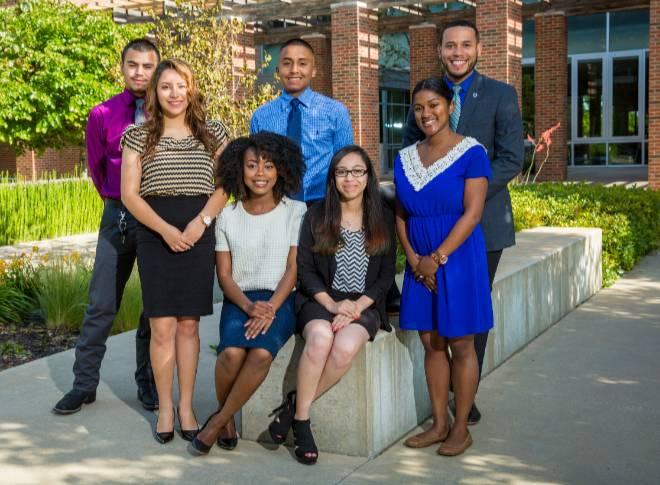
As many as 88% of UNT Dallas students receive financial grants to cut their out-of-pocket costs, which do not have to be paid back. The university offers many scholarships – another way to reduce expenses. As a result, our average student debt is among the lowest in the state. With free or low cost tuition, state and federal grants, multiple scholarship opportunities, and low student debt, a rigorous, holistic education at UNT Dallas is more accessible than some students and families realize.
Finally, President von Eschenbach made the point that UNT Dallas students are resilient – overcoming obstacles, breaking barriers, and blazing new trails. We are Trailblazers, after all. “Resiliency – we instill it in our students,” the President said. “We want them to ready for a career and a life, not just a job.”
UNT Dallas is accepting applications for the Fall 2026 semester; the last day to register for classes is August 24. Check out academic programs and majors to see which ones match the interests of you, your child, or someone else you know.
Categories: